
IN BRIEF
The Hyderabad Entrepreneurship Summit (HES 2026) is a one-day entrepreneurship summit hosted by TiE Hyderabad and the Hyderabad Entrepreneurial Ecosystem Collective on Friday 20 November 2026 at HICC Novotel, Hyderabad, during Global Entrepreneurship Week. Organisers expect over 2,000 entrepreneurs, 120-plus investors and 80-plus speakers, around the themes of inclusion, scale and leadership.
Short answer: HES 2026 is on Friday 20 November 2026 at HICC Novotel, Hyderabad, hosted by TiE Hyderabad and the Hyderabad Entrepreneurial Ecosystem Collective during Global Entrepreneurship Week. Go for the masterclasses and investors, by all means. But hear its theme of scale carefully — growth changes your GST, payroll and ROC duties, and those changes have dates.
Hyderabad gets its big entrepreneurship day on Friday, 20 November 2026, when the Hyderabad Entrepreneurship Summit (HES 2026) opens at HICC Novotel, hosted by TiE Hyderabad and the Hyderabad Entrepreneurial Ecosystem Collective, inside Global Entrepreneurship Week. More than 2,000 entrepreneurs and business leaders, over 120 investors and 80-plus speakers are expected, in the organisers' own figures.
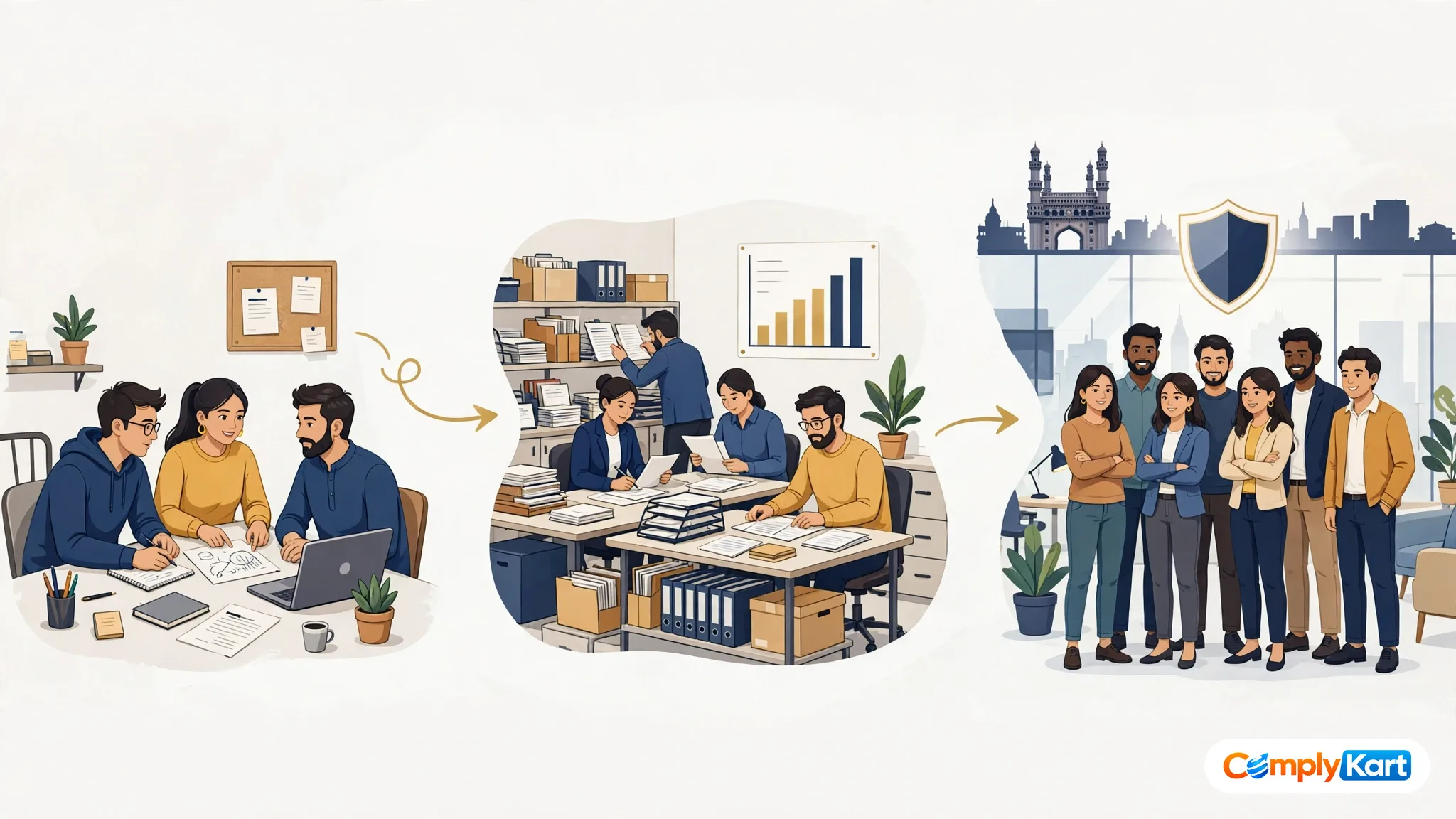
The summit's three themes are Inclusive, Scale and Leadership. Inclusion and leadership get the speeches. Scale gets my attention, because scale is where good businesses quietly get hurt. Nobody puts that sentence on a poster. Posters say grow faster. I have sat with founders after the fast growth, when notices arrive and the books do not match. Enjoy this summit, and take its hardest theme seriously.
What to expect at the event
Expect a full day: masterclasses, startup showcases, pitching sessions, and an exhibition floor. Between sessions, expect corridor conversations — direct, warm, and often more useful than the stage.
Plan the day before you enter. Pick two masterclasses that match a problem you actually have in the next six months, not the two with famous names. Watch one pitching session closely, and note the questions investors return to. Carry a one-page note on your company, a phone folder with your basic papers, and one clear ask. A founder with one clear ask gets help. A founder who wants "connections in general" gets polite smiles.
A scale-readiness checklist before you grow
Here is what scaling changes, in plain words. Cross a turnover line and your GST position changes — composition may stop working, e-invoicing may become compulsory, your returns get watched more closely. That is why your GST registration is not a certificate to file and forget; it is a position to review each time your turnover, your states of sale or your product mix changes.
Hire past a certain team size and PF, ESI and professional tax walk in, once you cross the applicable threshold for each. Raise outside money and your ROC filings, share allotments and valuations suddenly have deadlines with real penalties — ₹100 a day sounds small until it runs for months.
Before your next stage, sit with this checklist:
- Turnover: are we close to crossing an applicable GST limit or changing our scheme, and will our invoicing hold up if a new state registration is needed?
- Invoicing discipline: does every sale become an invoice the same day, with the right tax charged — even when orders spike?
- Hiring: when we add the next set of people, what payroll records, PF, ESI and professional tax duties begin for us, and who will run them monthly?
- Fundraising paperwork: are board records, valuations and past allotments complete enough for a data room?
- Filings calendar: are our filings current? Use the private limited company annual compliance calendar to see the year at a glance, and keep annual filing of the company on schedule.
- Tax position: is our income tax return filing consistent with our books and GST returns?
To price the regular work before you commit to a bigger cost base, try the compliance fee calculator. And if you have already missed a filing while growing, read how to handle a missed ROC filing and how to catch up before an investor's team finds it.
Grow, but keep the paperwork beside you
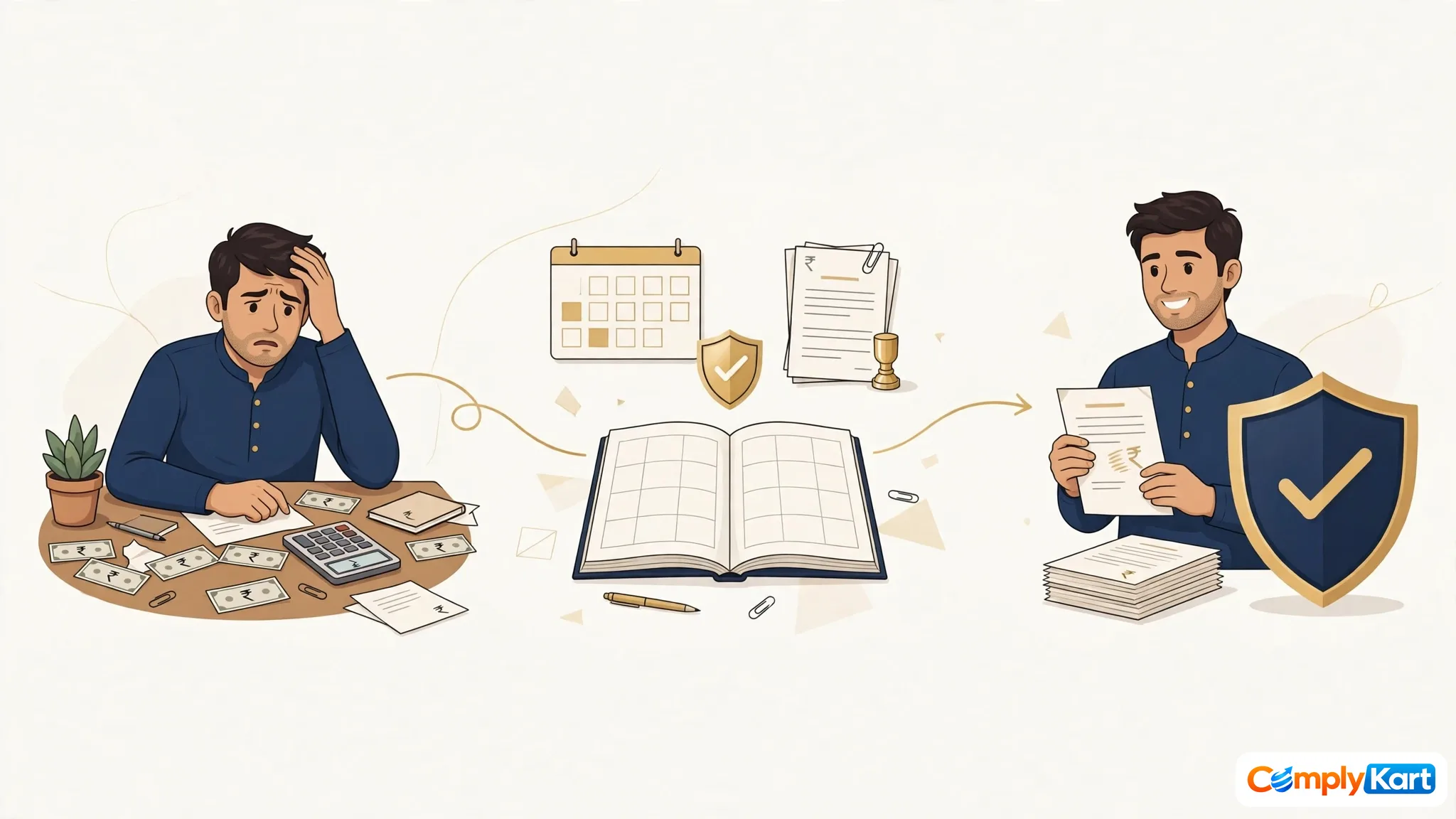
None of this is a reason to stay small. It is a reason to grow with your paperwork walking beside you, not limping six months behind. The day your order book doubles, your invoicing, payroll and filings double too — whether you planned for them or not.
The founders who handle scale well put a simple monthly rhythm in place early: books closed every month, GST matched to sales, payroll on a fixed date, filings on one calendar. Simple. Slightly dull. It works. If you are going to HES, enjoy the masterclasses and the startup showcase. Then, on the train or flight home, write down the three compliance changes your next stage of growth will force on you. Growth is exciting. Growth with clean books, correct GST and on-time filings is fundable. There is a difference, and investors know it.
Common mistakes when a company scales
The commonest mistake is scaling sales before invoicing discipline. Orders rise, invoices are raised late or from memory, GST returns are filed to match, and the mismatch sits waiting for a notice. The second mistake is hiring on cash without payroll records. It feels flexible for a month. Then a person leaves or a diligence check asks for records you never made, and that flexibility turns into a liability.
The third mistake worries me most: promising investors a data room that does not exist. Then allotments are missing, minutes were never written, and a term sheet slows down for reasons unrelated to the business itself. Do not promise a room you have not built. Build it quietly, month by month.
FAQs
When and where is HES 2026?
HES 2026 is on Friday 20 November 2026 at HICC Novotel, Hyderabad. It is hosted by TiE Hyderabad and the Hyderabad Entrepreneurial Ecosystem Collective, and it takes place during Global Entrepreneurship Week.
Who should attend the summit?
Founders who are trading and thinking about their next stage will get the most — especially from the masterclasses, showcases and investor sessions. Very early founders will also benefit, by hearing what scaling founders wish they had fixed sooner.
What does "scale carefully" actually mean in practice?
It means checking, before each growth step, what that step changes: GST once you cross the applicable limit, payroll duties once you cross the applicable threshold, and ROC deadlines when you raise money. Small checks, done early.
We missed an ROC filing while growing fast. What now?
File it, pay the additional fee built up, and put a calendar in place. A late filing disclosed and completed is manageable. A late filing discovered by an investor first is a trust problem.
How should I use the day if I am not raising funds?
Use it to learn. Attend masterclasses close to your next problem, watch investors question other founders, and go home with your three scale-related fixes written down. That is a good return on one day.
If your next stage is near and you want the compliance side checked before investors or notices check it for you — GST, annual filings, income tax, ROC catch-ups — talk to us at ComplyKart. Call us on +91 79826 59624 and let us look at your next step together, carefully, before you take it.



Comments
No comments yet — ask the first question below.
Join the discussion
Questions go straight to our expert desk. Comments appear after a quick review — no spam, no noise.