
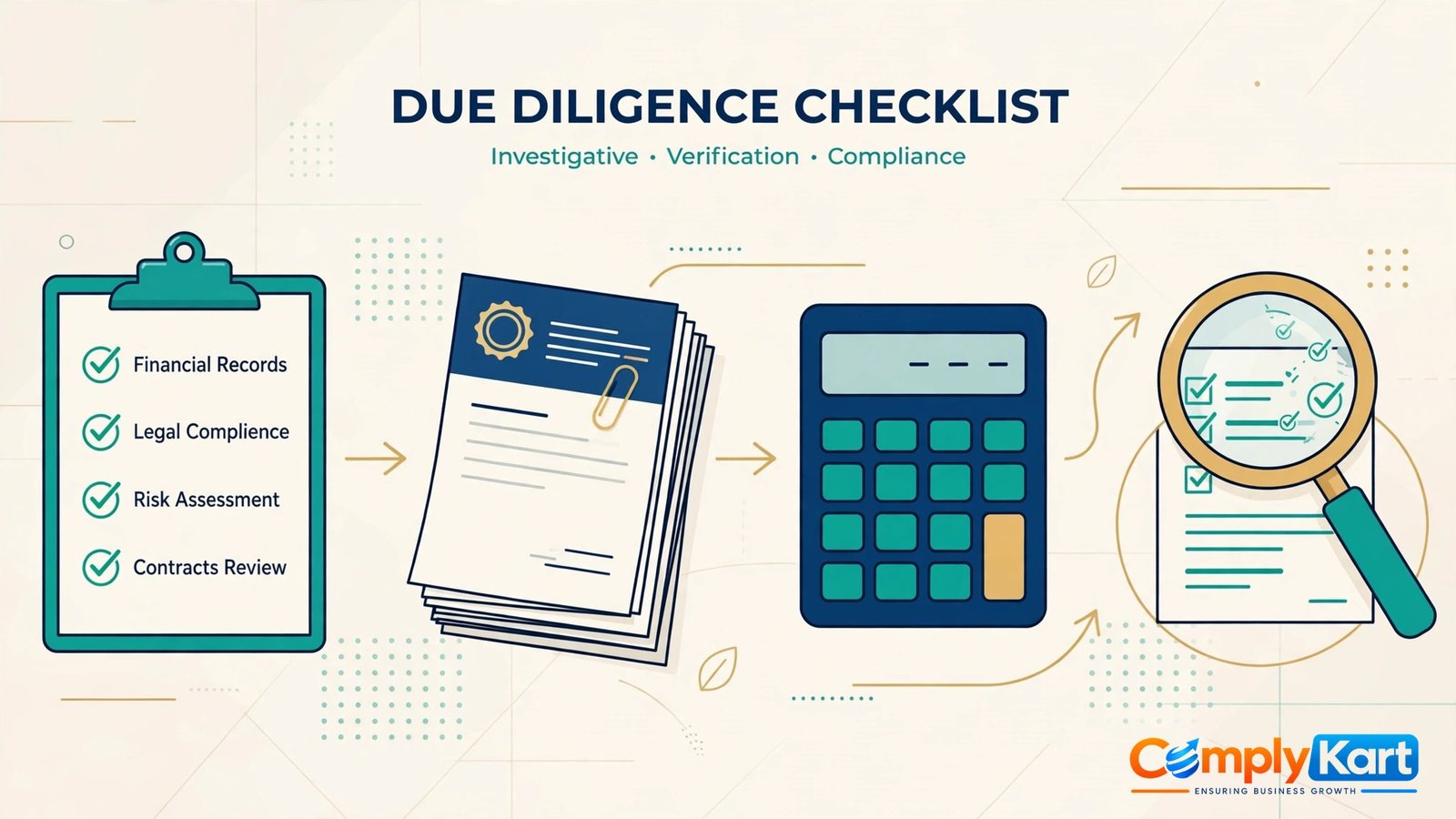
Buying a franchise is one of the biggest cheques most people ever write. And yet I keep meeting buyers who did less homework on a ₹40 lakh franchise than they'd do buying a ₹8 lakh car. That has to change. Here's the checklist I'd hand you if we were sitting across a table — twelve checks, in the order I'd run them.
The short answer: verify the franchisor's audited financials, talk to current and exited franchisees (found on your own, not just the reference list), confirm trademark ownership in the registry, check litigation history, stress-test every earnings claim against your own conservative numbers, and read the exit terms before the entry terms. Two to three weeks of this work protects an investment you'll live with for years.
1. Pull the franchisor's financials
Ask for audited financials for the last three years. A franchisor that hesitates here is telling you something. You're looking for a profitable, stable parent company — not one surviving on franchise fees from new sign-ups while existing outlets bleed. If franchise fees are the franchisor's main revenue and royalties are thin, their incentive is to keep selling franchises, not to keep yours alive.
2. Talk to existing franchisees — the unhappy ones especially
The franchisor will give you a reference list. Call those people, but also find franchisees on your own — visit outlets unannounced, ask how business really is. And specifically ask to speak with franchisees who exited. Why they left tells you more than why anyone stayed. If the franchisor won't share exit contacts, that's check number two failed.
3. Verify the territory in writing
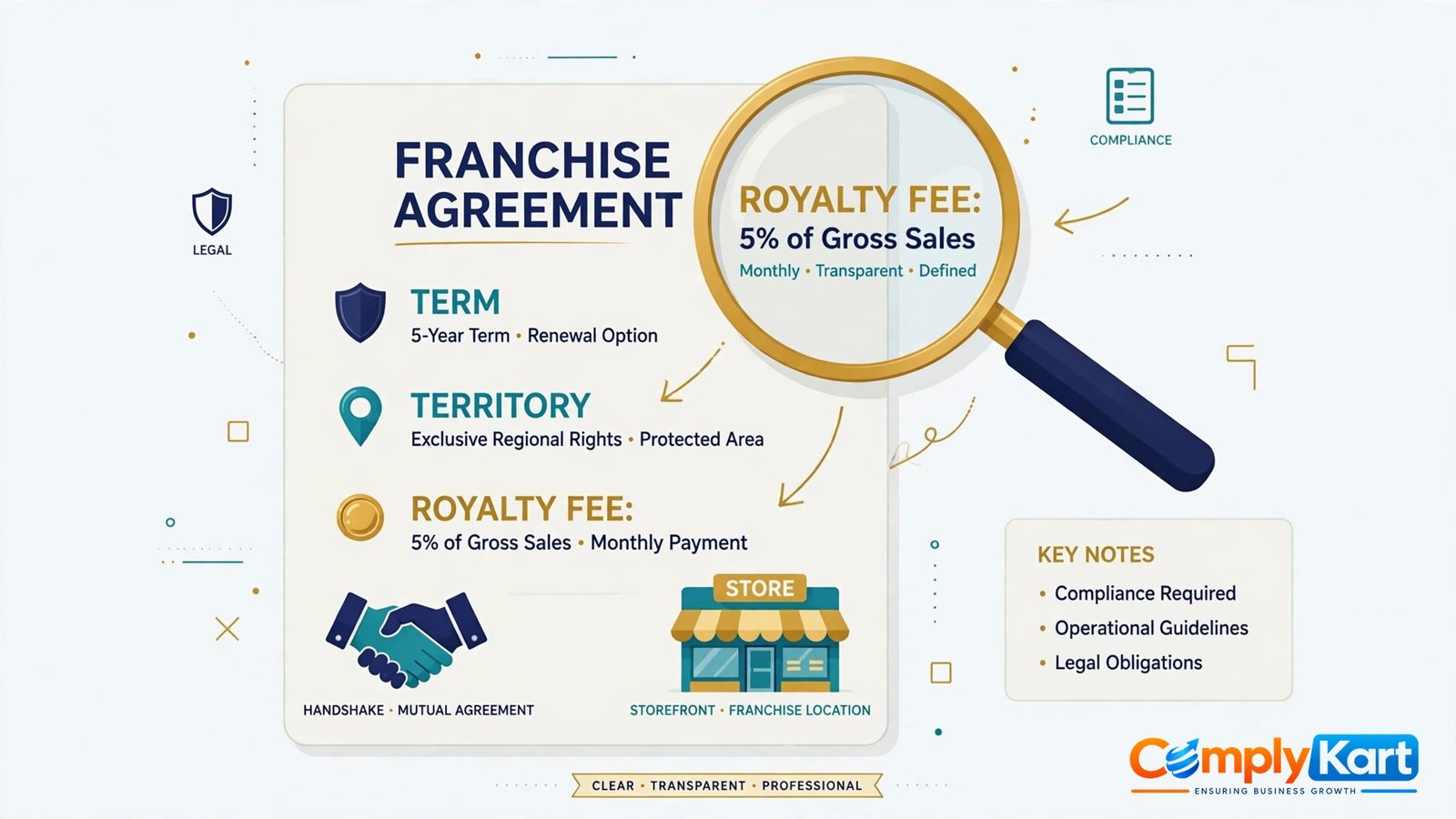
"Don't worry, this area is yours" means nothing until it's in the agreement with defined boundaries. Ask how many outlets the franchisor plans in your city over the next five years. Get exclusivity — pin code, radius, whatever the format uses — written into the contract, not promised over coffee.
4. Confirm the franchisor owns the brand
Search the trademark registry — or have a professional run the search for you. Is the brand name actually registered as a trademark to the franchisor, or is it pending, opposed, or owned by someone else entirely? A surprising number of Indian franchise brands operate on applications that may never become registrations. If the trademark falls, your signage, your menu boards, your entire identity goes with it. This check costs you an afternoon. Skipping it can cost you the business.
5. Check litigation history
Search court records and ask directly: has the franchisor been sued by franchisees? Have franchisees sued each other over territory? A pattern of disputes is a window into how the relationship actually works when things go wrong. One old case might be noise. Several recent ones are signal.
6. Can you trust the franchisor's earnings claims?
Here's the trap: the franchisor shows you a beautiful projection — ₹15 lakh monthly revenue, 25% margins, break-even in 18 months. Ask three questions. Whose numbers are these — the best outlet, the average, or a spreadsheet? What assumptions sit underneath (footfall, average ticket, rent)? And will they put any of it in writing as a representation? If the answers get vague, build your own projections from scratch using the worst-performing outlet you visited as your base case. Hope is not a financial model.
7. What happens if you want out?
Everyone reads what they get on day one. Almost nobody reads what happens on the day they want out. Can you sell the franchise? Does the franchisor get a right of first refusal, and at what valuation? What are the termination payments? How long do the non-compete restrictions run? Assume a 30% chance you'll want out within three years, and make sure you can live with the exit.
8. Audit the real cost sheet
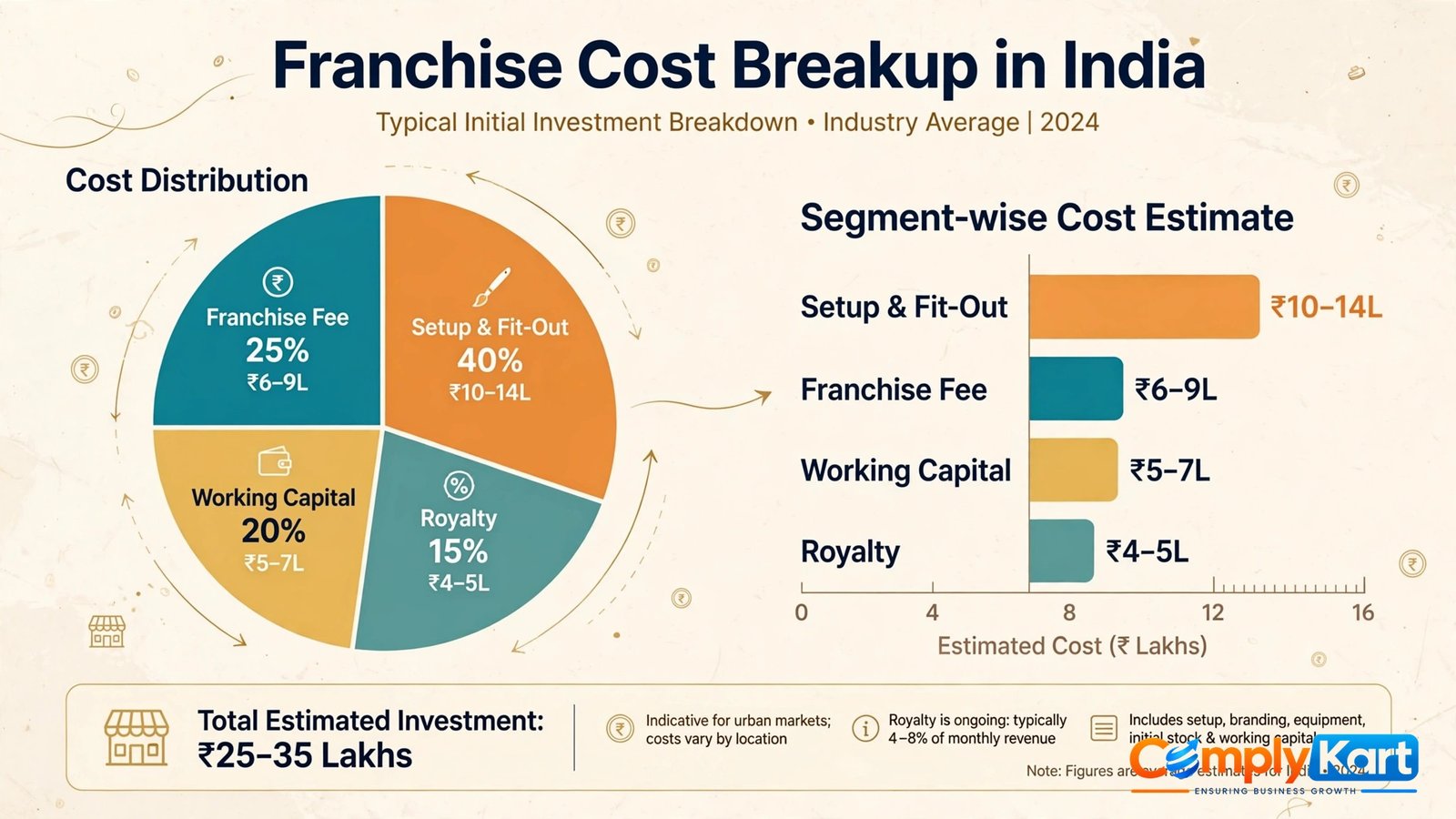
Get the franchisor's itemised setup cost for the last five outlets opened — actuals, not estimates. Compare it against independent quotes for the big items, and against the full anatomy of what a franchise really costs so you know which heads to interrogate. Flag anything the franchisor marks up: equipment, initial inventory, signage. Some franchisors earn more from selling you the fit-out than from your royalty. That's not automatically wrong, but you should know.
9. Test the training and support
Ask exactly what training you get, for how many people, for how long — and what ongoing support looks like in practice. Then ask existing franchisees when they last heard from the support team unprompted. A franchisor that disappears after collecting the fee is the most common complaint in Indian franchising. The operations manual should be a living document, not a PDF from 2019.
10. Are you locked into the franchisor's supply chain?
Many agreements require you to buy raw materials or inventory from the franchisor or approved vendors. That's reasonable for quality control — but check the pricing against market rates and whether you're allowed alternatives if supply fails. A supply chain that only flows one way, at above-market prices, is a second royalty by another name.
11. Speak to the landlord market independently
The franchisor's site-selection team will show you "approved" locations. Get your own read on rents in those micro-markets before committing. I've seen franchisees locked into 9-year leases at 20% above market because the location was "brand-approved." The rent is your biggest fixed cost — it deserves independent verification.
12. Sleep on it — then have the agreement reviewed
After all eleven checks, do nothing for a week. Then have the franchise agreement reviewed by someone who does this for a living, with your diligence findings in hand — here's what that review must cover, clause by clause. The review isn't a formality; it's where everything you've learned gets tested against what's actually written. Clauses get renegotiated here or never.
Frequently asked questions
How long should franchise due diligence take?
Two to three weeks of proper work — financials, franchisee calls, registry searches, cost comparisons, and the agreement review. Anyone pressuring you to sign faster than that is giving you information: the rush is the red flag. An investment you'll live with for years deserves a few weeks of homework.
Should I hire a professional for franchise due diligence?
For the agreement review, yes — franchise contracts hide their worst clauses in plain sight, and you want someone who reads them for a living. The financial and field checks (calling franchisees, visiting outlets, comparing costs) you can start yourself. The professional review then tests everything you found against what's actually written.
What is the biggest red flag in a franchise offer?
Speed pressure combined with money pressure: "sign this week, pay the fee now, paperwork later." A serious franchisor welcomes scrutiny — audited financials, exit contacts, time to think. If diligence is treated as an obstacle instead of a step, walk away.
Can I contact franchisees the franchisor didn't introduce?
Yes, and you should. Visit outlets unannounced, ask how business really is, and specifically seek out franchisees who exited — why they left tells you more than why anyone stayed. If the franchisor won't share exit contacts, treat that as a failed check, not a minor gap.
Do I need a registered company before buying a franchise?
You can sign as an individual, but most franchisees operate through a private limited company — limited liability, cleaner accounting, and easier to bring in a partner later. Set the company up before the outlet opens, and work out the setup cost as part of your investment number, not after it.
What should I do right after signing the agreement?
The clock starts immediately: first board meeting, auditor appointment, GST and local registrations, statutory records. Our 90-day post-incorporation checklist tracks every deadline in order, so nothing in the crucial first quarter slips.
Twelve checks sounds like a lot. It isn't — it's two to three weeks of proper work against an investment you'll live with for years. The buyers who skip diligence aren't saving time; they're borrowing trouble. And if you want a second pair of eyes on the agreement or the numbers before you sign, our team does exactly that, every week.


Comments
No comments yet — ask the first question below.
Join the discussion
Questions go straight to our expert desk. Comments appear after a quick review — no spam, no noise.